Problem and user
Bring a familiar pub game online while keeping the real-table experience useful.
Friends playing a social dice game online or around a real table.
Game MVP
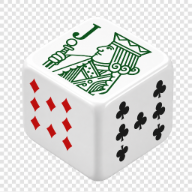
The South African pub dice game, with online rolls, real-table scorekeeping and persistent group history.
Problem and user
Friends playing a social dice game online or around a real table.
My role
Outcome and status
Learning
The social experience depends on clear turn state and reliable rules as much as the dice interaction.
Next step
Table-test rules and shared-game reconnect behaviour.
TL;DRThe South African pub dice game, with online rolls, real-table scorekeeping and persistent group history.
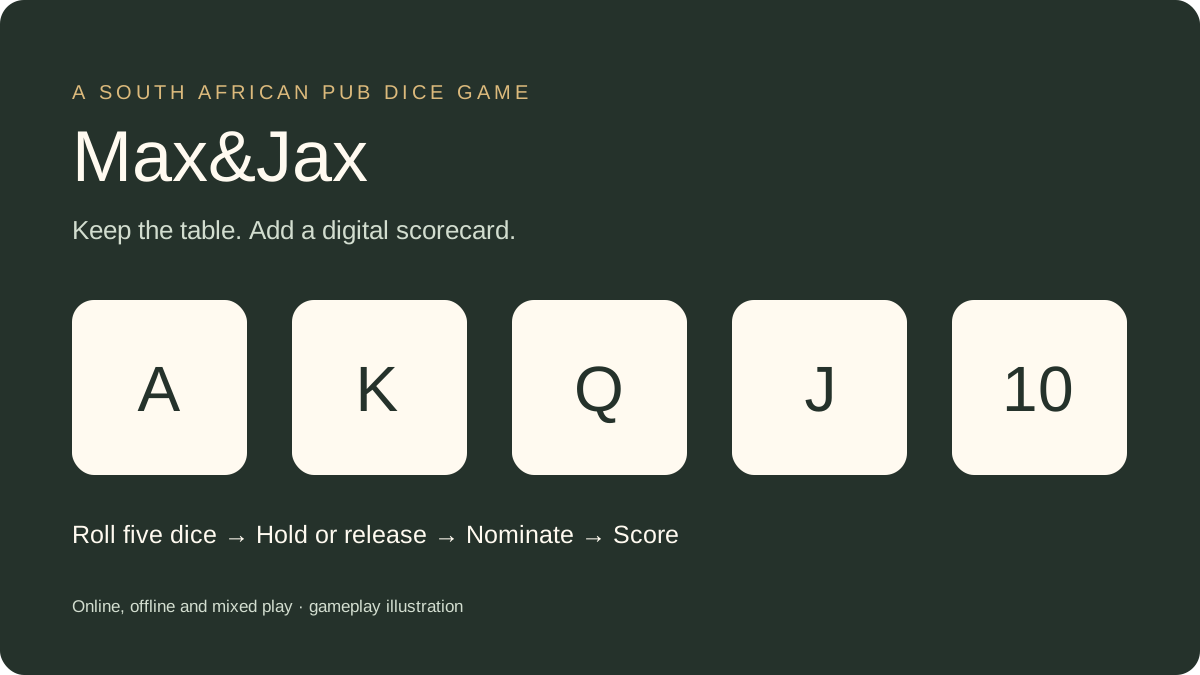
Max&Jax is a mobile-first online version of the South African pub dice game. Players roll five dice, keep or release individual dice between throws, nominate a scoring category before the third throw and build a scorecard. The highest completed total wins.
The product is designed around a group rather than an isolated round. People can create a group, add human or AI players, start a game and return to its history and leaderboard. That gives a familiar social game continuity beyond a single evening.
The game supports online, offline and mixed play. Online play supplies the dice interaction. Offline mode accepts scores from a real table. Mixed play connects the two. This is a deliberate product choice: the software can support the social experience without requiring everyone to abandon physical dice.
AI players provide another way to practise or complete a group. They are game opponents, with their behaviour separated from the scoring rules, rather than a conversational AI feature.
Rules, scoring and AI behaviour are separated into dedicated modules. The Flask backend persists games, turns and scorecards in PostgreSQL; the SvelteKit frontend handles the mobile interaction. Centralised rule definitions make differences discovered during table testing easier to adjust and reason about.
Max&Jax translates an existing social ritual into a product with explicit state, clear turn mechanics and persistent history. The engineering challenge is not just animating dice. It is keeping the scorecard, turn progression and different play modes understandable and consistent.
The next step is further table testing: verify the house rules, make nomination and scoring states unmistakable, and assess reconnect behaviour during shared games. This case study describes the implemented MVP flow, without claiming adoption or retention results.
A shared view of household money, from everyday capture to budgets and forward planning.
A local workspace that brings Git, services and development tools into one operating view.
Find the useful moments in long videos, with connected transcripts, frames and engagement signals.
Turn a booking, message or school note into a calendar draft you can review, edit and export.
Make German practice easier to return to, with vocabulary review, exam preparation and short Word Sprint games.
An F1 data project started in 2018, adapted into an API and a traceable source pipeline for new product ideas.
A daily football trivia game that turns a player’s career into clues, with a leaderboard to bring people back.
A private home marketplace that makes interest, reservations and handovers easier to coordinate.
Building with AI